谷歌站点_谷歌网站搭建与优化指南 - 全面掌握Google Sites使用技巧

核心内容摘要

谷歌优化网站下载_谷歌SEO优化指南:提升网站排名与流量实战策略
百度词条优化花钱吗

谷歌站点_谷歌网站搭建与优化指南 - 全面掌握Google Sites使用技巧

谷歌蜘蛛名称怎么改_谷歌蜘蛛名称修改方法详解

How to Make AI Search Engines Reference Your Brand Products in English

In today's digital-first marketplace, ensuring your products are easily discoverable is crucial. With the rise of AI-powered search tools and platforms, a new challenge and opportunity emerge: how to make AI search engines reference your brand products in English effectively. This goes beyond traditional SEO, focusing on how intelligent algorithms understand, categorize, and recommend your offerings. This article explores actionable strategies to optimize your digital presence for AI-driven discovery.

Understanding AI Search Behavior

AI search engines, including those integrated into e-commerce platforms, voice assistants, and content aggregators, rely on vast datasets and machine learning. They don't just match keywords; they interpret context, user intent, and semantic relationships. To be referenced, your product information must be structured, clear, and context-rich. The core is to provide unambiguous, authoritative data that AI can confidently associate with relevant queries.

Key Strategies for AI-Friendly Product Referencing

  1. Optimize Structured Data (Schema Markup): This is the most direct way to "speak" to AI. Implement schema.org vocabulary—especially Product, Brand, and Offer types—on your website. Clearly define attributes like product name, description, image, price, availability, and brand in English. This structured markup acts as a universal language for search engines, helping AI accurately parse and reference your products in rich snippets or knowledge panels.

  2. Craft Comprehensive, Natural-Language Content: AI models are trained on high-quality, natural text. Develop detailed product descriptions, category pages, and blog content that naturally incorporate brand names, product features, use cases, and relevant terminology. Avoid keyword stuffing. Instead, focus on answering potential customer questions thoroughly. For example, instead of "best running shoes," describe "how [Brand Name] running shoes provide arch support for long-distance runners."

  3. Build a Strong, Consistent Brand Presence Across Platforms: AI gathers information from diverse sources. Ensure your brand and product listings are consistent on your website, major online marketplaces (Amazon, eBay), social media profiles, and reputable review sites. Uniformity in product names, specifications, and imagery across these platforms reinforces their credibility and makes it easier for AI to validate and reference your products as authoritative sources.

  4. Encourage and Manage Reviews and Q&A: User-generated content, such as reviews and answered questions, provides rich, conversational data that AI uses to understand product value and relevance. Actively encourage customers to leave reviews in English and thoughtfully respond to queries. Phrases used in reviews often become part of the searchable context that AI associates with your products.

A Practical Case Analysis

Consider a brand selling eco-friendly water bottles, "AquaGreen." To improve AI referencing, they could:

  • Implement Product schema on their site with precise details (material: stainless steel, capacity: 500ml, features: thermal insulation).
  • Publish blog posts titled "Sustainable Hydration Solutions: A Guide by AquaGreen" and "Comparing Insulated Water Bottles: How AquaGreen Maintains Temperature."
  • Ensure their Amazon listing uses identical specifications and high-quality images as their official site.
  • Prompt satisfied customers to review with phrases like "leak-proof design" or "perfect for hiking."

Over time, AI systems searching for "insulated eco-friendly bottle for hiking" are more likely to reference "AquaGreen Stainless Steel Bottle" as a relevant result, pulling data from these structured and unstructured sources.

Leveraging E-A-T Principles

AI increasingly values Expertise, Authoritativeness, and Trustworthiness (E-A-T). Showcase your brand's authority through expert content, certifications, press mentions, and secure website protocols (HTTPS). When AI perceives your site as a trustworthy source, it becomes more confident in referencing your product data for user queries.

By strategically structuring your data, creating comprehensive content, maintaining consistent listings, and fostering trust, you can significantly enhance the likelihood of AI search engines referencing your brand products. This approach not only aids AI discoverability but also improves the overall user experience, driving meaningful engagement and sales.

蘑菇视频频🔞❌♋️少应用

百度抢排名工具

{ 随机句子}

123456789101111111111111111111111111111 123456789101111111111111111111111111111 123456789101111111111111111111111111111111111111111 智能洗涤系统,选傲蓝软件-专业的洗涤行业管理系统软件

傲蓝智能洗涤系统是一套专为洗衣店、干洗店等洗涤行业设计的智能化管理软件,集成了收衣管理、订单管理、库存管理、员工调度、财务统计等多项功能,旨在提升运营效率,优化资源配置,实现精细化管理,助力洗衣店高效运营。
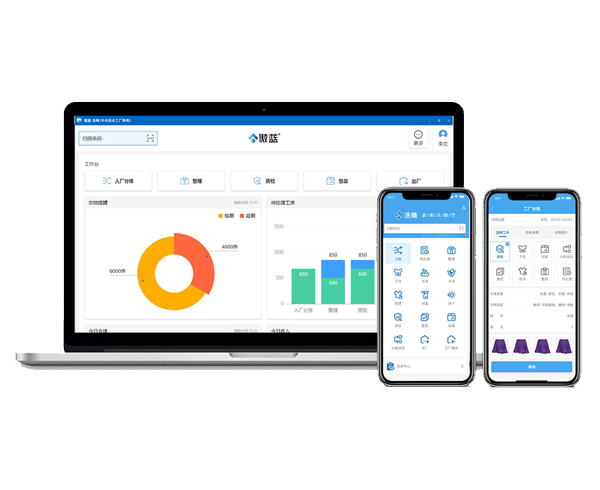

傲蓝智能洗涤系统优势

简化流程,提速降本,优化资源

数据整合,跨店协同,运营无忧

快速上手,体验良好,操作简便

随时随地,灵活高效,工作无界

傲蓝智能洗涤系统简介
智能收衣与预约系统
智能收衣与预约系统


顾客可通过线上平台轻松预约收衣,简化预约流程。

系统自动记录衣物信息,分配唯一追踪码,确保衣物管理准确无误。
未标题-4.png
高效订单处理流程
4513.png
高效订单处理流程


自动化订单分配与管理,从接收订单到完成洗涤,每一步都透明化。

减少人为错误,提升订单处理速度和服务质量。
实时库存与财务管理
实时库存与财务管理


库存状态实时更新,低库存预警系统确保物资充足。

集成财务管理,自动生成报表,简化核对流程,提升财务透明度。

未标题-1.png
移动办公平台
123432.png
移动办公平台


配备手机APP或小程序,支持远程办公,随时随地掌握业务动态。

无论身处何地,员工和管理者都能便捷查看订单、库存和财务数据。
选洗衣系统,傲蓝一家够了
符合洗衣行业90%以上业务

符合洗衣门店自营或加盟店使用数据及时、快速互联

结合手持机和软件APP洗衣店更具高档形象

洗衣门店微信会员版本,快速提高粘性、掌握会员

洗衣工厂版,更贴合洗衣工厂特有洗衣流程,准确快速

低成本,高回报,绿色、可靠、快捷的服务经营模式

随时随地拿起手机就能了解各门店经营情况,方便老板决策分析

洗涤业务开单、计费、收款管理支持RFID布草租赁业务

智能RFID布草管理提高布草工序管理效率

软件的更多场景应用
查看更多
查看更多
查看更多
查看更多
相关内容文章

洗衣店开分店:硬件设备要齐,但软件才是灵魂

洗涤厂怎么拓展收衣渠道?用对方法再搭配傲蓝洗晴软件,管理轻松又高效

告别人工盲点,布草洗涤企业必须用上RFID盘点的三大理由

怎么把洗衣工厂和几家干洗门店管理得更好?

用傲蓝洗晴RFID布草盘点,酒店管理效率如何提升?

  • 服务与支持
  • 售前咨询
  • 演示试用
  • 售后平台
  • 新闻动态
  • 成功案例
  • 公司动态
  • 联系我们
  • 关于洗清
扫一扫,关注我们
扫一扫,关注我们
客服电话
4009-904-905
版权所有© 2009-2026 广州市傲蓝软件科技有限公司 备案号码:粤ICP备09204067号
马上使用傲蓝软件,让管理更便捷! 立即体验